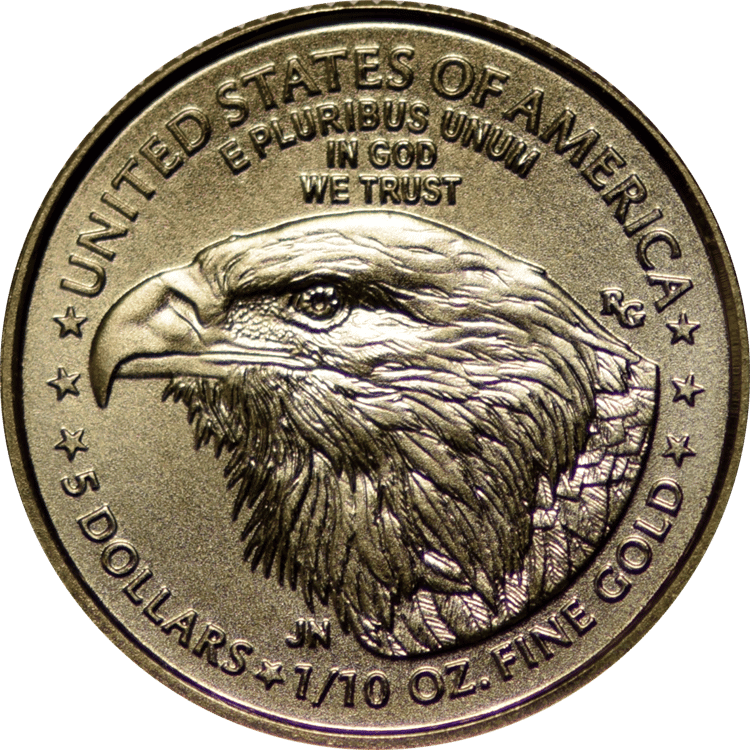

Big moves rarely go unchallenged—and last week was a reminder. After racing to record levels, precious metals and broader risk assets hit a patch of turbulence as positioning, economic data, and currency shifts collided. With major reports ahead, markets are now watching to see whether recent pullbacks mark a pause—or the start of a new phase.
Market Recap: A Volatile Week Across Assets
Monday (2.02.26):
Not the start metals wanted. Gold and silver slid to four-week lows overnight and spent the day stuck in the middle of wide ranges. April gold dropped about $40 to $4,707, while March silver eased toward $77.90. What pushed them down? A stronger dollar, a bounce in stocks, and sharply lower oil prices. Add in fresh CME margin hikes, and leveraged market participants were forced to put up more cash—or sell. Dollar strength got another boost after President Trump tapped Kevin Warsh, seen as more hawkish on rates. Meanwhile, reports out of China pointed to heavy losses among leveraged metals traders after a key counterparty disappeared, adding fuel to the unwind.
Tuesday (2.03.26):
Snapback day. After last week’s selloff, buyers rushed back in. April gold jumped more than $300 to around $4,959, and March silver surged over $11 to near $88. A softer dollar, firmer oil, and a cooler risk mood helped the rebound. On the data front, things stayed messy: January jobs reports were delayed again due to the partial government shutdown. With Washington moving toward reopening, those numbers are expected to resurface soon—setting up the next potential volatility trigger.
Wednesday (2.04.26):
Early pop, then a pause. Gold and silver tried to rally overnight, but by midday, short-term futures players started taking profits as the dollar firmed up. April gold still managed a small win, finishing up about $14 near $4,947. Silver held up better, gaining roughly $3 to $86.57. One wrinkle: Bloomberg reported nearly $1 billion in one-day outflows from China’s largest gold ETFs—the biggest ever—hinting that some fast money stepped aside after gold’s pullback from record highs.
Thursday (2.05.26):
The air came out fast. Silver led a sharp selloff that dragged gold lower too, as people who bought earlier in the week rushed for the exits. Futures liquidation picked up quickly. A stronger dollar, upbeat economic data, and falling oil prices didn’t help. Silver’s ride was especially wild, including an overnight drop of as much as 17% after recently flirting with record highs. Gold traded lower in choppy action, copper followed metals down, and oil eased as U.S.–Iran talks reduced near-term supply worries. After such a fast run-up, metals suddenly looked overheated.
Friday (2.06.26):
A small breather to end the week. Gold caught a modest bid, with April gold up $11.20 at $4,900.90. Silver didn’t get the same love, sliding to a seven-week low as March silver fell $3.22 to $73.47 on continued futures selling. A stronger dollar and rebounding stock markets have pulled some attention away from defensive assets. Geopolitics stayed in focus too, as the U.S. and Iran opened talks in Oman—leaving markets to balance easing conflict risk against still-fragile metals sentiment.
JPMorgan–Pentagon Silver Initiative Highlights Strategic Supply Focus
The big picture
Reports that JPMorgan Chase is working with the U.S. Department of Defense to support domestic silver processing are being viewed as part of a broader effort to reinforce critical mineral supply chains amid rising national security and industrial resilience concerns.
Driving the news
The initiative reportedly focuses on financing and expanding U.S.-based smelting capacity, with the Pentagon taking an interest in infrastructure designed to strengthen domestic access to metals essential for defense and energy technologies.
By the numbers
- 169–750 million ounces — estimated size of JPMorgan’s reported physical silver holdings
• $920 million — fine paid in 2020 related to prior precious-metals trading cases
• $1.5 trillion — broader JPMorgan investment commitments across defense, energy, and other sectors
Why it matters
A shift toward prioritizing physical supply over derivatives highlights growing emphasis on securing materials vital to national infrastructure, suggesting silver is increasingly viewed through a strategic lens rather than solely as a financial commodity.
What to watch
- Expansion of U.S. smelting and refining capacity
• Additional defense-related partnerships with private institutions
• Strategic stockpiling trends in critical minerals
• Potential effects on global silver supply and pricing
The bottom line
Efforts to strengthen domestic silver infrastructure underscore how resource security is becoming central to both national planning and commodity market dynamics.
Bundesbank Gold Holdings Draw Attention to Monetary Stability Questions
The big picture
Germany’s Bundesbank maintaining substantial gold reserves is increasingly interpreted as a signal that governments see precious metals as a buffer against rising sovereign debt and potential monetary instability.
Driving the news
Elevated debt levels, bond-market stress, and geopolitical fragmentation have encouraged central banks—particularly in Europe and emerging markets—to expand gold holdings. Discussions around repatriating reserves held abroad have also resurfaced.
By the numbers
- 3,350 tons — gold held by Germany’s Bundesbank
• ~80% — share of Bundesbank balance sheet represented by gold
• 2,452 tons — gold held by Italy
• 2,300 tons — officially reported gold reserves in China
Why it matters
As debt burdens grow and confidence in bond markets fluctuates, gold continues to play a stabilizing role on central-bank balance sheets, raising broader questions about long-term trust in fiat systems.
What to watch
- European discussions around reserve repatriation
• Continued gold accumulation by BRICS nations
• ECB policy debates on reserve management
• Regulatory developments affecting private gold ownership
The bottom line
Central-bank gold strategies suggest precious metals remain a core component of monetary resilience planning.
Private Hiring Slows as Labor Market Momentum Softens
The big picture
Private-sector hiring slowed sharply in January, pointing to continued cooling in labor demand even as wage growth remained relatively steady.
Driving the news
ADP reported only 22,000 private-sector jobs added last month, well below expectations, with prior data revised lower and reinforcing the broader slowdown trend.
By the numbers
- 22,000 — private-sector jobs added in January
• 48,000 — expected gain
• 398,000 — private jobs added in 2025
• 4.5% — annual pay growth for job stayers
Why it matters
Slower hiring suggests easing labor demand, but steady wages complicate the policy outlook as markets balance growth moderation against lingering inflation pressures.
What to watch
- Upcoming official payrolls data
• Trends in wage growth
• Sector-level hiring patterns
• Federal Reserve policy signals
The bottom line
Labor conditions continue to cool gradually, leaving economic momentum and policy expectations finely balanced.
Physical vs. Paper Gold Debate Resurfaces After Sharp Sell-Off
The big picture
According to mining investor Frank Giustra, gold’s recent decline highlighted stress within leveraged paper markets rather than signaling a shift in long-term fundamentals.
Driving the news
A rapid pullback followed margin increases and thin liquidity conditions, while new government initiatives aimed at securing strategic resources underscored growing emphasis on physical supply chains.
By the numbers
- 20% — gold’s rapid decline during the sell-off
• $12B — size of U.S. critical-minerals initiative
• ~$1T — annual U.S. interest payments
• 1953 — year of the last official Fort Knox audit
Why it matters
The distinction between paper pricing mechanisms and physical supply may become more relevant during periods of stress, particularly as governments focus on resource security.
What to watch
- Physical gold demand trends
• Asian exchange pricing influence
• Expansion of state-backed resource programs
• Broader market volatility
The bottom line
Recent turbulence may reflect short-term mechanics rather than a change in longer-term dynamics tied to physical metal demand.
Dollar Weakness Persists as Global Currency Landscape Evolves
The big picture
The U.S. dollar has continued to soften as President Trump signals tolerance for a weaker currency, while BRICS nations advance efforts to reduce reliance on the dollar in trade and reserves.
Driving the news
The dollar fell nearly 10% in 2025 and extended losses into 2026 amid rate cuts, trade uncertainty, and shifting global payment systems.
By the numbers
- −10% — dollar decline in 2025
• 1,100+ tons — gold purchased by BRICS central banks in 2025
• 56.9% — share of global reserves held in dollars
• 30% — target share of BRICS lending in local currencies
Why it matters
While a weaker dollar can support exports, it also raises import costs and inflation considerations, as alternative trade and reserve frameworks gradually expand.
What to watch
- Federal Reserve policy direction
• Dollar index trends
• Development of alternative payment systems
• Trade policy developments
The bottom line
Shifts in currency dynamics are unfolding gradually, with implications for global trade and long-term reserve preferences.
NEXT WEEK’S KEY EVENTS
Economic Calendar: February 9 – February 13, 2026 (ET)
MONDAY, Feb. 9
• 10:50 am — Atlanta Fed President Raphael Bostic speaks
TUESDAY, Feb. 10
• 8:30 am — U.S. Retail Sales (Delayed, Dec.)
• 12:00 pm — Cleveland Fed President Beth Hammack speaks
• 1:00 pm — Dallas Fed President Lorie Logan speaks
WEDNESDAY, Feb. 11
• 8:30 am — U.S. Jobs Report (Jan.)
THURSDAY, Feb. 12
• 8:30 am — Initial Jobless Claims
• 10:00 am — Existing Home Sales (Jan.)
FRIDAY, Feb. 13
• 8:30 am — Consumer Price Index (Jan.)
Impact on Precious Metals Markets
Federal Reserve Speeches (Mon–Tue)
• Hawkish tone → supports higher rate expectations; pressure on gold and silver
• Dovish tone → supports easing expectations; supportive for metals
U.S. Retail Sales (Tue)
• Strong data → growth resilience; headwind for metals
• Weak data → growth concerns; supportive for metals
U.S. Jobs Report (Wed)
• Strong payrolls → higher real-rate expectations; negative for metals
• Weak payrolls → easing expectations; positive for metals
Consumer Price Index (Fri)
• Hot inflation → restrictive policy outlook; pressure on metals
• Cooling inflation → easing outlook; supportive for metals
Continue the Conversation
Understanding how macro trends, policy decisions, and market structure intersect is essential in today’s environment. To explore deeper insights on precious metals, monetary developments, and long-term asset considerations, we invite you to continue learning with us at Prime Assets.