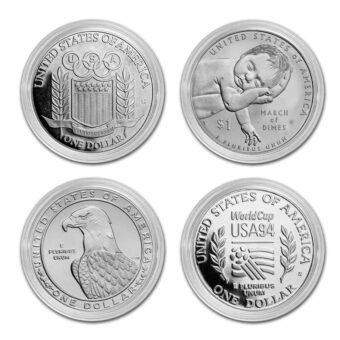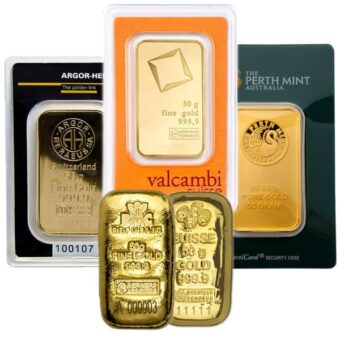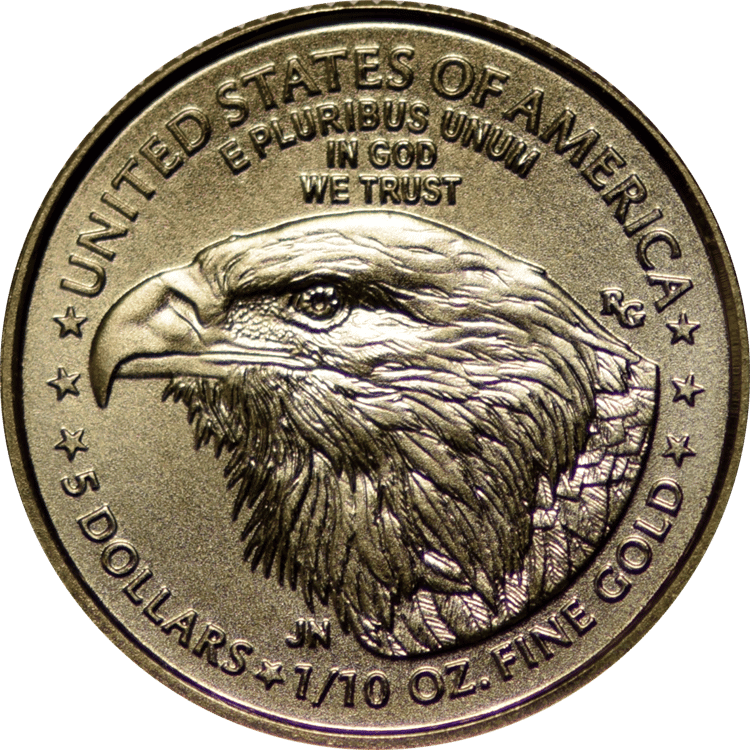

Global markets experienced dynamic activity last week as precious metals responded to geopolitical developments, macroeconomic data, and shifts in bond markets. Gold and silver prices reflected heightened sensitivity to policy signals, currency dynamics, and global risk sentiment. According to World Gold Council data, central banks collectively added over 1,000 metric tons of gold in 2024, marking one of the strongest annual buying periods on record and underscoring a continued shift in reserve management priorities. With key central bank decisions and inflation measures on the horizon, understanding how these forces shape gold, silver, and broader financial trends is essential — particularly as central bank reserve strategy increasingly emphasizes diversification, liquidity, and long-term stability.
Weekly Metals Market Recap
◼︎ Monday (1.19.26)
Gold and silver moderated after a strong run, with gold down $25 to $4,610 and silver near $90.90 following overnight records. Some geopolitical tensions softened — a statement from the U.S. indicated reduced likelihood of military action in the Middle East and no plans to change Federal Reserve leadership. Additionally, proposed tariffs on critical minerals were paused in favor of supply agreements, contributing to calmer market behavior after recent headline‑driven swings.
◆ Tuesday (1.20.26)
Precious metals achieved new highs, with February gold up $157 to $4,752 and March silver up to $93.89. This occurred alongside broader market softness and heightened attention on trade relationships between the U.S. and Europe. Discussions around Greenland and potential tariff actions toward EU countries ahead of Davos contributed to risk sentiment. Meanwhile, stress in Japanese government bonds supported demand for metals as an alternative asset.
◉ Wednesday (1.21.26)
Gold remained elevated after record peaks overnight, settling slightly lower after comments in Davos indicated no forceful action regarding Greenland. February gold futures were around $4,850, and silver held near $93.59 following earlier highs above $95. Central banks’ ongoing gold purchases and renewed focus on safe‑haven assets supported market interest.
▣ Thursday (1.22.26)
Gold stayed near weekly records, and silver reached new peaks near $96, reflecting sustained market momentum. Traders continued to respond to strengthening technical trends even as some geopolitical concerns eased and Japanese bond market volatility showed signs of stabilization. “Buy‑the‑dip” behavior in longer‑dated Japanese debt also contributed to balanced market dynamics.
▪︎ Friday (1.23.26)
New records emerged for both gold and silver, with silver approaching $100. Japan’s bond market steadied after a central bank rate hold with an upgraded inflation outlook. Relations between the U.S. and Europe shifted toward renewed trade engagement, and discussions with Russia on Ukraine continued, underscoring evolving global dialogue.
PCE Inflation Gauge: Elevated but Moderating
The Big Picture
The latest PCE inflation report showed price pressures remaining above targets as major central banks prepare for upcoming policy decisions.
Driving the News
In November, the Personal Consumption Expenditures index rose 0.2% month‑over‑month and 2.8% year‑over‑year — slightly above consensus. Core inflation, excluding food and energy, matched this pace. Services inflation remained persistent, goods prices continued rising, and consumer spending stayed resilient even as income gains slowed and savings declined.
By the Numbers
- 2.8% — headline PCE (YoY)
• 2.8% — core PCE (YoY)
• 0.2% — monthly increase
• 3.5% — personal savings rate (near a multi‑year low)
• 95% — probability the Fed maintains current rates
Why It Matters
Sticky inflation and ongoing consumption suggest monetary policy may remain steady. Expectations for rate reductions have softened, as price pressures persist.
What to Watch
- Upcoming Fed policy decision
• Trends in services inflation
• Consumer spending relative to income
• Shifts in rate expectations
The Bottom Line
Inflation appears to be cooling but remains above target. For now, policy remains unchanged and consumption dynamics continue to support the broader economy.
Is Silver Showing Signs of Overextension?
The Big Picture
Silver has climbed above $95/oz, prompting analysis on whether recent gains reflect sustained fundamentals or market enthusiasm.
Driving the News
According to BCA strategist Roukaya Ibrahim, current momentum may be driven more by sentiment than by core drivers such as inflation hedging or geopolitical hedges. Supply concerns related to China may have been overstated, and some industrial users are exploring alternatives to silver.
By the Numbers
- >$95 — record silver price
• +31% — gain this month
• ~+150% — gain in 2025
• 200‑day MA — extended beyond typical ranges
Why It Matters
Rapid rallies can retrace quickly if broader sentiment shifts. Understanding long‑term demand versus short‑term momentum can help contextualize price behavior.
What to Watch
- Breaks below technical support levels
• Industrial demand trends
• Movements in the gold/silver ratio
The Bottom Line
While silver’s long‑term story has merit, current price action warrants measured observation rather than reactionary enthusiasm.
Gold’s Position Relative to the U.S. Dollar
The Big Picture
A major financial institution highlighted gold’s evolving role in an increasingly diversified reserve landscape, positioning it as a meaningful alternative to the U.S. dollar for central banks.
Driving the News
Shifts in global trade dynamics, sanctions, and policy dialogues have encouraged broadening reserve strategies among several economies. Rather than a new currency supplanting the dollar, gold’s liquidity and neutrality make it a practical option.
By the Numbers
- BRICS nations have led central bank gold purchases since 2022
• +30% — increase in BRICS gold reserves over recent years
• 2022 sanctions on Russia marked a notable acceleration
Why It Matters
Even incremental changes in reserve composition can influence global capital flows and currency prominence over time.
What to Watch
- Central bank gold purchase reports
• Policy developments affecting trade or reserve decisions
• Coordination among major economies
The Bottom Line
Gold’s prominence in diversified reserves reflects long‑term strategic adjustments rather than abrupt shifts.
Japanese Bond Market Trends and Global Correlations
The Big Picture
Japan’s bond market has experienced notable yield shifts for the first time in years, capturing broader market attention.
Driving the News
The Bank of Japan’s reduced price controls on government bonds led to rising yields and repositioning of long‑duration strategies. As these dynamics unfolded, foreign allocations and global yield relationships adjusted in response.
By the Numbers
- ~4%+ — Japan’s long‑term bond yields
• ~250% — debt‑to‑GDP
• ~2%+ — 10‑year yield
• $1T+ — Japanese capital invested abroad
Why It Matters
Changes in Japan’s yields can influence global liquidity flows and pricing across fixed income and equity markets.
What to Watch
- Cross‑border asset reallocations
• U.S. Treasury yield movements
• Central bank participation in bond markets
The Bottom Line
Japan’s fixed income developments warrant attention as part of a broader understanding of global financial conditions.
Gold Price Outlook: Goldman Sachs Update
The Big Picture
A new forecast from Goldman Sachs projects a higher average for gold through 2026, reflecting a broadening set of demand drivers.
Driving the News
Growth in both official and private holdings supports this upward revision. Exchange‑traded flows have remained steady, and expectations of future monetary policy easing could further influence interest in gold.
By the Numbers
- $5,400 — new year‑end target
• $4,900 — previous target
• +10% — adjustment
• 60–70 tons/month — central bank purchases
• ~500 tons — ETF flows since 2025
• 0.17% — gold allocation in U.S. portfolios
Why It Matters
Greater diversity of holders contributes to stability in demand and less susceptibility to short‑term selloffs.
What to Watch
- Central bank buying trends
• ETF movements
• Policy developments
• Allocation shifts among participants
The Bottom Line
The combination of official and private demand underpins a constructive outlook for gold.
Next Week’s Key Events — Economic Calendar (January 26–30, 2026)
MONDAY, Jan. 26
• 8:30 am — Durable Goods Orders (Nov., delayed)
TUESDAY, Jan. 27
• 10:00 am — Consumer Confidence (Jan.)
WEDNESDAY, Jan. 28
• 2:00 pm — FOMC Rate Decision
• 2:30 pm — Fed Chair Press Conference
THURSDAY, Jan. 29
• 8:30 am — Initial Jobless Claims (Jan. 24)
FRIDAY, Jan. 30
• 8:30 am — Producer Price Index (Dec., delayed)
Impact on Precious Metals Markets
Durable Goods Orders (Mon)
• Strong orders → positive business sentiment; potentially less supportive for metals
• Weak orders → broad growth questions; supportive for metals
Consumer Confidence (Tue)
• Higher confidence → resilience narrative; may temper metals demand
• Lower confidence → softness narrative; supportive for metals
FOMC Rate Decision (Wed)
• Hawkish stance → upward real yields; may temper metals demand
• Dovish guidance → lower real yields; supportive for metals
Initial Jobless Claims (Thu)
• Rising claims → labor softness narrative; supportive for metals
• Low claims → tightened labor narrative; less supportive for metals
Producer Price Index (Fri)
• Hot PPI → inflation pressures; may temper metals demand
• Cooling PPI → easing inflation pressures; supportive for metals
Continue Your Learning with Prime Assets
We’ll continue to monitor key developments across markets, monetary policy, and macroeconomic indicators. Visit our website for deeper analysis, weekly updates, and resources to help you stay informed about the forces shaping precious metals and financial trends.