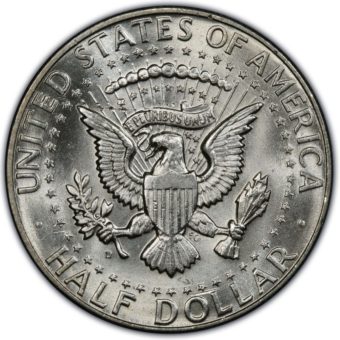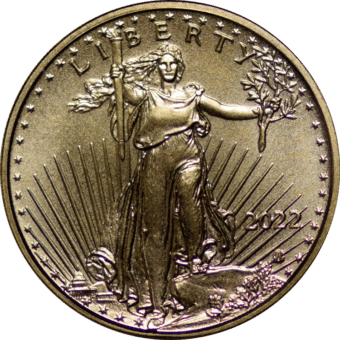

Gold and silver traded under pressure throughout the week as hotter-than-expected inflation data, rising Treasury yields, a stronger U.S. dollar, and ongoing tensions surrounding Iran and the Strait of Hormuz created volatility across global markets. Gold gradually softened as investors recalibrated expectations for a prolonged “higher-for-longer” Federal Reserve policy stance, while silver initially demonstrated relative strength before experiencing a sharp midweek pullback tied to industrial-demand concerns and tighter financial conditions. Looking ahead, markets will closely monitor the Federal Reserve’s May meeting minutes, fresh manufacturing and housing data, and consumer sentiment reports for additional insight into interest-rate expectations, economic resilience, and the next potential catalyst for precious metals.
Market Weekly Recap
Monday (5.11.26): Spot gold extended its recent pullback Monday, slipping roughly $20 from $4,735.72 to close near $4,715.13, while silver posted a modest rebound, climbing approximately $0.46 to finish around $86.55 after ending the prior week near $86.09. Investors continued evaluating the inflationary impact tied to ongoing Iran and Strait of Hormuz tensions, which helped keep energy prices elevated and Treasury yields firm. A stronger U.S. dollar and expectations that the Federal Reserve may maintain restrictive policy for longer weighed on gold prices, while silver remained comparatively resilient as broader commodity strength and industrial demand expectations supported sentiment.
Tuesday (5.12.26): Gold weakened again Tuesday, declining roughly $29 to close near $4,686.48, while silver added nearly $0.90 to settle around $87.45. Markets responded to hotter-than-expected inflation data that strengthened the U.S. dollar and pushed Treasury yields higher, reducing optimism for near-term Federal Reserve easing. Gold faced pressure from rising real yields and tightening financial conditions, while silver continued outperforming as investors maintained exposure to industrial metals amid elevated geopolitical uncertainty and persistent commodity inflation.
Wednesday (5.13.26): Spot gold moved lower once again Wednesday, falling approximately $29 to close near $4,657.16 after failing to regain upside momentum, while silver experienced a sharp reversal lower, dropping nearly $4 to finish around $83.54 after trading above $87 earlier in the session. Precious metals came under broad pressure as rising producer-price inflation and resilient economic data pushed Treasury yields toward fresh highs and strengthened the U.S. dollar for a third consecutive session. Investors increasingly priced in a prolonged restrictive-rate environment as elevated oil prices and Middle East tensions contributed to broad liquidation across the metals complex, particularly within silver’s higher-volatility trading environment.
Thursday (5.14.26): Gold traded through another volatile session Thursday, briefly stabilizing before closing near $4,657, while silver remained under pressure near $83.54 following Wednesday’s sharp selloff. Markets weighed strong retail sales data, persistent inflation concerns, rising energy prices, and continued geopolitical uncertainty tied to Iran and the Strait of Hormuz. The U.S. dollar strengthened for a fourth straight session while Treasury yields remained elevated near multi-month highs as investors reduced expectations for future Federal Reserve rate cuts. Gold continued showing relative resilience as a defensive asset, while silver faced additional pressure from both industrial-demand concerns and tighter financial conditions.
Friday (5.15.26): Gold and silver declined sharply Friday as rising Treasury yields, continued dollar strength, and inflation concerns tied to elevated oil prices outweighed traditional safe-haven flows associated with geopolitical tensions. Spot gold slipped below $4,600 to around $4,550 an ounce, while silver fell nearly 6.5% to approximately $78 after breaking below the key $80 level. Investors further reduced expectations for Federal Reserve rate cuts following stronger inflation and manufacturing data that pushed Treasury yields toward 4.5%, increasing the opportunity cost of holding non-yielding assets such as gold and silver.
—
Gold and silver remain supported by long-term fundamentals despite short-term macro pressure
The big picture
Gold and silver continue benefiting from strong structural fundamentals, even as elevated Treasury yields and a resilient U.S. dollar create near-term headwinds for precious metals markets. Analysts at Sucden Financial note that while both metals remain fundamentally supported, markets are still searching for the next major macro catalyst capable of driving a sustained breakout higher.
Driving the news
Persistent inflation pressures, elevated energy costs, geopolitical uncertainty, and ongoing physical demand continue underpinning long-term interest in precious metals, even as restrictive monetary policy and higher real yields pressure short-term price action.
By the numbers
• $4,500 — key technical support level for gold identified by Sucden
• $4,800 — potential upside target if yields soften and Fed easing expectations improve
• Above $87 — silver’s recent two-month high reached earlier this week
• $70–$72 — silver support zone highlighted by analysts
• $80–$85 — projected silver recovery range under improved macro conditions
Why it matters
Precious metals remain positioned at the intersection of inflation concerns, geopolitical uncertainty, and shifting monetary policy expectations. While higher real yields and dollar strength continue influencing short-term volatility, gold and silver still serve an important role in diversified portfolios focused on preserving purchasing power and maintaining long-term stability.
What to watch
• Treasury yield direction
• U.S. dollar strength
• Federal Reserve policy expectations
• Gold ETF inflows
• Silver ETF participation
• COMEX speculative positioning
• Geopolitical developments in the Middle East
• Signs of economic slowdown versus continued resilience
The bottom line
Although short-term volatility remains elevated, the long-term case for precious metals continues to center around diversification, monetary uncertainty, and the enduring value of tangible assets. Investors continue watching for a clearer macro catalyst that could support the next sustained move higher.
—
Silver demand outlook strengthens as industrial and monetary trends converge
The big picture
Silver continues attracting attention as both industrial demand and monetary demand remain supportive, reinforcing the metal’s unique role within the broader precious metals market.
Driving the news
Analysts point to tightening global supply conditions, growing renewable-energy demand, ongoing infrastructure investment, and improving industrial activity as important long-term drivers supporting silver prices despite elevated interest rates and a stronger dollar.
By the numbers
• $88.30 — spot silver price Tuesday morning
• $90 — key resistance level analysts continue monitoring
• $120 — previous record highs cited as a longer-term target
• $6.70 per pound — July copper futures price
• Sixth consecutive year — projected annual silver supply deficit
• +2% — daily gains in both silver and copper earlier this week
Why it matters
Silver’s dual role as both a precious metal and industrial commodity allows it to benefit from multiple long-term trends simultaneously. Renewable-energy infrastructure, electronics manufacturing, and broader industrial demand continue tightening supply conditions while monetary uncertainty supports investor interest.
What to watch
• Silver’s ability to regain momentum above $90
• Chinese industrial demand trends
• Copper price strength
• Renewable-energy demand growth
• Treasury yield direction
• U.S. dollar performance
• Global supply-chain developments
• Technical momentum indicators
The bottom line
Silver’s long-term outlook remains closely tied to both industrial growth and broader monetary conditions. While short-term volatility is likely to continue, analysts remain focused on tightening supply dynamics and growing industrial demand as important long-term drivers.
—
Wholesale inflation accelerates as energy prices and tariffs pressure producer costs
The big picture
U.S. wholesale inflation accelerated sharply in April as rising energy costs, tariff pressures, and increasing service-sector expenses pushed producer prices to their fastest annual pace since 2022.
Driving the news
Surging gasoline and energy prices tied to ongoing Middle East tensions contributed heavily to the inflation increase, while tariff-related pricing pressures continued spreading throughout wholesale trade and services sectors.
By the numbers
• +1.4% — monthly increase in producer price index (PPI)
• +6% — annual wholesale inflation rate
• +1.0% — monthly increase in core PPI
• +7.8% — increase in final-demand energy prices
• +15.6% — rise in gasoline prices
• +1.2% — increase in services inflation
• +2.7% — increase in trade services prices
• 39% — market-implied probability of a Fed rate hike following the report
Why it matters
Persistent inflation across energy, services, and trade sectors reinforces the broader challenge facing policymakers as they attempt to balance economic growth with inflation control. Inflationary environments also continue highlighting the importance of maintaining diversified portfolios that include real assets historically associated with preserving purchasing power over time.
What to watch
• Treasury yield direction
• Federal Reserve rate expectations
• Energy market developments
• Tariff-related inflation pressures
• Consumer inflation trends
• Labor-market resilience
• Services-sector pricing trends
• Market expectations for future policy changes
The bottom line
The latest producer inflation data reinforced expectations that interest rates may remain elevated longer than markets previously anticipated. Investors continue monitoring how persistent inflation pressures could influence both economic growth and long-term asset-allocation strategies.
—
Consumer inflation rises as energy and shelter costs continue pressuring households
The big picture
U.S. consumer inflation accelerated in April as rising energy prices, shelter costs, and tariff-sensitive goods pushed annual inflation to its highest level since mid-2023.
Driving the news
Higher gasoline prices and broader energy inflation tied to geopolitical instability contributed significantly to the latest CPI increase, while price pressures across housing, travel, and consumer goods indicated broader inflation persistence throughout the economy.
By the numbers
• +3.8% — annual consumer inflation rate (CPI)
• +0.6% — monthly CPI increase
• +2.8% — annual core CPI excluding food and energy
• +17.9% — annual increase in energy prices
• +28.4% — annual rise in gasoline prices
• +0.6% — increase in shelter costs
• +20.7% — annual increase in airline fares
• -0.5% — monthly decline in real average hourly wages
• 30% — market-implied probability of a Fed rate hike by year-end
Why it matters
Persistent inflation continues influencing household purchasing power, consumer behavior, and Federal Reserve policy expectations. In periods of elevated inflation uncertainty, many investors revisit strategies centered around diversification, liquidity, and long-term stores of value.
What to watch
• Oil and gasoline prices
• Treasury yields
• Federal Reserve policy expectations
• Shelter and services inflation
• Consumer spending trends
• Labor-market conditions
• Tariff-related pricing pressures
• Consumer sentiment data
The bottom line
The latest inflation report reinforced expectations that policymakers may maintain restrictive monetary policy longer than previously anticipated. Investors continue evaluating how inflation, interest rates, and economic growth trends may shape markets in the months ahead.
—
Economic Calendar: May 18 – May 22, 2026 (ET)
MONDAY, MAY 18
- 8:30 am — Atlanta Fed First Vice President Cheryl Venable Welcoming Remarks
TUESDAY, MAY 19
- 10:00 am — Pending Home Sales (April)
• 7:00 pm — Philadelphia Fed President Anna Paulson Speech
• 7:45 pm — Atlanta Fed First Vice President Cheryl Venable Closing Remarks
WEDNESDAY, MAY 20
- 2:00 pm — Minutes of Fed’s May FOMC Meeting
THURSDAY, MAY 21
- 8:30 am — Initial Jobless Claims (May 16)
• 8:30 am — Housing Starts & Permits (April)
• 8:30 am — Philadelphia Fed Manufacturing Survey (May)
• 9:45 am — S&P Flash U.S. Services PMI (May)
• 9:45 am — S&P Flash U.S. Manufacturing PMI (May)
FRIDAY, MAY 22
- 10:00 am — Consumer Sentiment (Final) (May)
• 10:00 am — U.S. Leading Economic Indicators (April)
IMPACT ON PRECIOUS METALS MARKETS
Atlanta Fed First Vice President Cheryl Venable Welcoming Remarks (Mon, 8:30 am ET)
Hawkish commentary could reinforce expectations for elevated interest rates and higher Treasury yields, creating short-term pressure for precious metals. More balanced or dovish commentary could support investor expectations for future policy flexibility. Markets continue monitoring all Federal Reserve communication closely for insight into inflation and economic conditions.
Pending Home Sales (Tue, 10:00 am ET)
Stronger housing activity may reinforce perceptions of economic resilience and higher-rate sustainability, while weaker data could increase expectations for slowing growth and eventual policy easing. Housing data remains an important indicator because of its sensitivity to borrowing costs and consumer confidence.
Philadelphia Fed President Anna Paulson Speech (Tue, 7:00 pm ET)
Federal Reserve commentary can quickly influence Treasury yields, the U.S. dollar, and broader precious metals sentiment as investors continue searching for clarity surrounding future policy direction.
Minutes of Fed’s May FOMC Meeting (Wed, 2:00 pm ET)
The release of the FOMC minutes will likely represent the week’s most closely watched event for precious metals investors. Markets will look for insight into policymakers’ views on inflation persistence, economic growth, labor-market conditions, and the potential timing of future policy adjustments.
Initial Jobless Claims (Thu, 8:30 am ET)
Labor-market data remains an important driver of interest-rate expectations. Rising claims could strengthen expectations for economic slowing, while continued labor-market resilience may reinforce restrictive policy expectations.
Housing Starts & Permits (Thu, 8:30 am ET)
Construction and housing data provide additional insight into economic momentum, consumer demand, and interest-rate sensitivity across the broader economy.
Philadelphia Fed Manufacturing Survey (Thu, 8:30 am ET)
Regional manufacturing data can influence expectations surrounding industrial activity, economic expansion, and future monetary policy trends.
S&P Flash U.S. Services PMI (Thu, 9:45 am ET)
Because the services sector represents a major component of the U.S. economy, PMI data often plays an important role in shaping Treasury yield movements and Federal Reserve expectations.
S&P Flash U.S. Manufacturing PMI (Thu, 9:45 am ET)
Manufacturing activity remains closely watched for signs of economic acceleration or slowing industrial demand that could influence broader market sentiment.
Consumer Sentiment (Final) (Fri, 10:00 am ET)
Consumer sentiment data offers insight into household confidence, spending expectations, and broader economic psychology, all of which can influence market expectations moving forward.
U.S. Leading Economic Indicators (Fri, 10:00 am ET)
Leading indicators help investors evaluate broader economic momentum and potential recession or growth trends that may shape future market conditions.
—
Continue Your Precious Metals Education With Prime Asset
At Prime Asset, we believe informed investors make stronger long-term decisions. As inflation, monetary policy, and global economic conditions continue evolving, understanding the role of physical gold and silver within a diversified strategy becomes increasingly important.
Visit our website to explore additional market insights, precious metals education, and long-term wealth preservation strategies designed to help investors navigate today’s changing financial landscape.
For personalized guidance on physical gold and silver ownership, contact Prime Asset Group at (866) 706-8781 to learn more about fully insured precious metals delivery and current market opportunities.