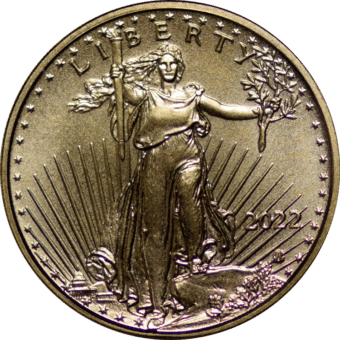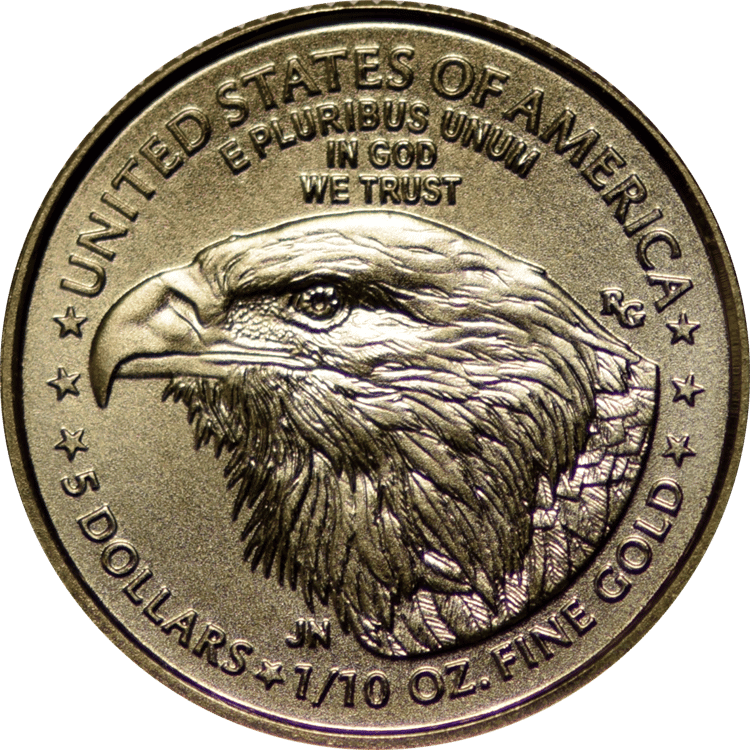

Global markets continue to wrestle with inflation uncertainty, geopolitical instability, and shifting Federal Reserve expectations—and precious metals remain at the center of the conversation. This week, gold and silver experienced sharp volatility as rising Treasury yields, elevated oil prices, and renewed tensions surrounding the Strait of Hormuz pressured markets early before sentiment stabilized later in the week. While gold remained resilient, silver emerged as the stronger momentum story, reflecting growing investor interest in tangible assets during periods of economic transition and monetary uncertainty. Silver Strengthens While Gold Navigates Yield Volatility as investors continue balancing inflation concerns, Federal Reserve policy expectations, and ongoing geopolitical risks across global markets.
As we move into next week, inflation data, retail sales, and Federal Reserve commentary will likely shape near-term direction across commodities, currencies, and precious metals markets alike.
Monday (5.04.26)
Spot gold declined roughly $92, falling from $4,614.98 to close near $4,523.19, while spot silver dropped nearly $3 to close around $72.71 after briefly touching intraday lows near $72.19. Markets reacted to rising oil prices and renewed concerns surrounding Iran and shipping activity through the Strait of Hormuz, which pushed Treasury yields and the U.S. dollar higher. Precious metals faced broad pressure as investors weighed the inflationary implications of higher energy costs and tighter financial conditions. Silver underperformed gold as concerns surrounding industrial demand added additional downside pressure.
Tuesday (5.05.26)
Gold stabilized Tuesday, rebounding approximately $33 to close near $4,556.01, while silver posted a modest recovery to finish around $72.80. Markets began reassessing geopolitical risks and whether tensions in the Middle East could eventually ease through diplomatic channels. Treasury yields and the U.S. dollar moderated following Monday’s sharp move, helping precious metals regain footing as investors cautiously stepped back into the market.
Wednesday (5.06.26)
Precious metals rallied sharply Wednesday, with spot gold climbing roughly $136 to close near $4,691.52 while silver surged more than 6% to finish around $77.31. Easing concerns surrounding Gulf tensions helped cool oil prices and reduced pressure on inflation expectations and Treasury yields. As sentiment improved, traders rotated aggressively back into precious metals, with silver significantly outperforming gold in a classic momentum-driven recovery.
Thursday (5.07.26)
Gold traded in a volatile range Thursday, briefly touching $4,764.84 before settling slightly lower near $4,686.34. Markets balanced softer labor-market data against rising Treasury yields and continued uncertainty surrounding U.S.–Iran negotiations. While weaker economic data supported expectations for eventual Federal Reserve easing, elevated yields and persistent inflation concerns tied to energy prices limited additional upside and encouraged profit taking late in the session.
Friday (5.08.26)
Gold extended its rebound Friday morning, rising toward $4,724.50, while silver continued its impressive rally above the $81 level. Markets remained resilient even after the April jobs report exceeded expectations, with the U.S. economy adding 115,000 jobs while unemployment held steady at 4.3%. Investors interpreted the report as supportive of continued economic stability while still leaving room for potential Federal Reserve policy easing later this year. Ongoing geopolitical uncertainty and elevated oil prices continued supporting interest in precious metals as strategic portfolio diversifiers.
—
Silver leads the recovery as geopolitical uncertainty supports metals demand
The big picture
Silver outperformed gold this week as investors navigated a complex environment shaped by labor-market softness, elevated Treasury yields, energy volatility, and geopolitical uncertainty tied to the Strait of Hormuz.
Driving the news
Markets reacted to shifting expectations surrounding Middle East stability as Iran increased pressure on shipping activity through one of the world’s most critical energy corridors.
By the numbers
• $4,700.60 — spot gold price Thursday afternoon
• $79.23 — spot silver price Thursday afternoon
• +2.59% — silver’s session gain
• 200,000 — weekly initial jobless claims
• $95.96 — Nymex WTI crude oil price
• 4.41% — yield on the 10-year Treasury note
Why it matters
Precious metals continue responding to multiple competing forces simultaneously. Softer labor data and geopolitical uncertainty can support demand for hard assets, while higher yields and rising oil prices complicate the inflation and interest-rate outlook. In periods like these, many investors revisit gold and silver as long-term stores of value and portfolio stabilizers.
What to watch
• Friday’s nonfarm payrolls report
• Strait of Hormuz developments
• U.S.–Iran negotiations
• Treasury yield direction
• Oil price volatility
• Gold resistance near $4,750–$4,790
• Silver momentum above the $80 level
The bottom line
Silver has emerged as the stronger momentum trade in the near term, though both metals remain highly sensitive to inflation expectations, interest-rate policy, and geopolitical headlines.
—
Gold advances as easing inflation concerns improve market sentiment
The big picture
Gold remained on track for a weekly gain as optimism surrounding potential diplomatic progress between the U.S. and Iran helped reduce inflation concerns and stabilize broader market sentiment.
Driving the news
Investors grew increasingly focused on the possibility that easing geopolitical tensions could help moderate energy prices and reduce pressure on the Federal Reserve to maintain restrictive policy.
By the numbers
• $4,721.96 — spot gold price Friday morning
• +2.3% — gold’s gain so far this week
• $4,730.90 — June gold futures price
• -6% — weekly decline in oil prices
• 62,000 — forecast for April nonfarm payroll growth
• +2.7% — silver’s Friday gain to $80.62
Why it matters
Lower oil prices and easing Treasury yields can support precious metals by softening inflation fears and reducing expectations for prolonged higher interest rates. Gold and silver continue functioning as important strategic assets during periods of policy uncertainty and global instability.
What to watch
• U.S.–Iran negotiations and ceasefire developments
• Oil price direction
• Treasury yield movement
• U.S. jobs data
• Federal Reserve policy expectations
• U.S. dollar strength or weakness
• Silver price action above $80
The bottom line
Gold’s broader long-term trend remains constructive as investors continue seeking portfolio diversification and protection against economic uncertainty, inflation risk, and currency volatility.
—
Debt-to-GDP crosses symbolic milestone as long-term fiscal pressures grow
The big picture
U.S. debt levels have now surpassed annual GDP, reinforcing ongoing concerns surrounding long-term fiscal sustainability and future borrowing requirements.
Driving the news
U.S. GDP reached approximately $31.9 trillion in Q1 2026, slightly exceeding the $31.4 trillion in debt held by the public at quarter-end.
By the numbers
• $31.9T — annualized U.S. GDP in Q1 2026
• $31.4T — debt held by the public
• 120% — projected debt-to-GDP ratio by 2036
• 6% of GDP — estimated federal budget gap
• $1.5T+ — projected federal interest expense by 2031
Why it matters
Debt levels alone do not determine economic outcomes, but sustained borrowing and rising interest costs can gradually pressure monetary policy, currency purchasing power, and long-term fiscal flexibility. Historically, many investors have used tangible assets such as gold and silver to help preserve purchasing power through changing economic cycles.
What to watch
• Federal deficit trends
• Interest costs relative to GDP
• Treasury yield movement
• Productivity growth
• Labor-force participation
• Long-term monetary policy direction
The bottom line
The key issue is not simply the debt threshold itself, but the long-term trajectory of borrowing, interest expenses, and economic growth. Markets will continue monitoring whether fiscal conditions remain manageable over the coming decade.
—
Rising oil prices may create short-term headwinds for gold
The big picture
Gold and oil have both rallied strongly over the past year, but rising crude prices may now be contributing to higher yields and inflation concerns that temporarily pressure precious metals.
Driving the news
Options traders turned more defensive on gold-related ETFs as Treasury yields climbed and investors reassessed inflation expectations tied to elevated energy prices.
By the numbers
• 4.45% — 10-year Treasury yield Monday
• $128M — put premium traded in GLD options
• $119M — call premium traded in GLD options
• $1.8M — size of major bearish TLT put trade
• 10,000 — Aug. 21 TLT 84-strike puts purchased
Why it matters
Rising oil prices can increase inflation expectations and potentially push Treasury yields higher. Higher yields often create short-term pressure on gold prices, though many long-term investors continue viewing precious metals as strategic stores of value during inflationary cycles.
What to watch
• Treasury yield direction
• Crude oil price movement
• GLD options sentiment
• Treasury bond volatility
• Inflation expectations
• Upcoming economic data
• Federal Reserve commentary
The bottom line
If inflation remains elevated and yields continue rising, gold could face periods of increased volatility. However, long-term demand for tangible assets remains closely tied to monetary policy, purchasing-power concerns, and broader economic uncertainty.
—
Economic Calendar: May 11 – May 15, 2026 (ET)
MONDAY, MAY 11
• 10:00 am — Existing Home Sales (April)
TUESDAY, MAY 12
• 8:30 am — Consumer Price Index (April)
• 1:00 pm — Chicago Fed President Austan Goolsbee Speech
WEDNESDAY, MAY 13
• 8:30 am — Producer Price Index (April)
• 11:30 am — Boston Fed President Susan Collins Speech
THURSDAY, MAY 14
• 8:30 am — U.S. Retail Sales (April)
• 8:30 am — Initial Jobless Claims (May 9)
• 1:00 pm — Cleveland Fed President Beth Hammack Remarks
• 7:00 pm — Federal Reserve Governor Michael Barr Speech
FRIDAY, MAY 15
• 8:30 am — Empire State Manufacturing Survey (May)
• 9:15 am — Industrial Production & Capacity Utilization (April)
IMPACT ON PRECIOUS METALS MARKETS
Existing Home Sales
• Strong housing activity → reflects economic resilience and may reduce safe-haven demand for metals.
• Weak housing activity → may support gold and silver as investors seek defensive positioning.
Consumer Price Index (CPI)
• Higher inflation → can increase demand for inflation hedges like gold and silver.
• Lower inflation → may reduce urgency for defensive hard-asset positioning.
Federal Reserve Speeches
• Hawkish commentary → may pressure metals through higher-rate expectations.
• Dovish commentary → can support precious metals by easing policy concerns.
Producer Price Index (PPI)
• Rising producer inflation → may reinforce inflation-hedging demand.
• Cooling producer inflation → may soften support for metals temporarily.
Retail Sales
• Strong consumer spending → signals economic resilience and may pressure safe havens.
• Weak spending → can increase defensive demand for precious metals.
Jobless Claims
• Rising claims → may support gold and silver amid growth concerns.
• Falling claims → may strengthen confidence in economic stability.
Industrial Production
• Strong industrial activity → supports economic confidence and industrial demand.
• Weak production → may increase interest in defensive asset allocation strategies.
—
At Prime Asset, we believe informed investors are better positioned to navigate changing markets with confidence and discipline. Gold and silver continue playing an important role in long-term wealth preservation, portfolio diversification, and financial preparedness in an increasingly complex global economy.
To continue following precious metals trends, macroeconomic developments, and market insights, visit our website and explore our latest educational resources and market updates.